
Proving the bookings came from WhatsApp
How to prove which aftersales bookings came from WhatsApp, with a clear attribution window and reporting dealers can stand behind.
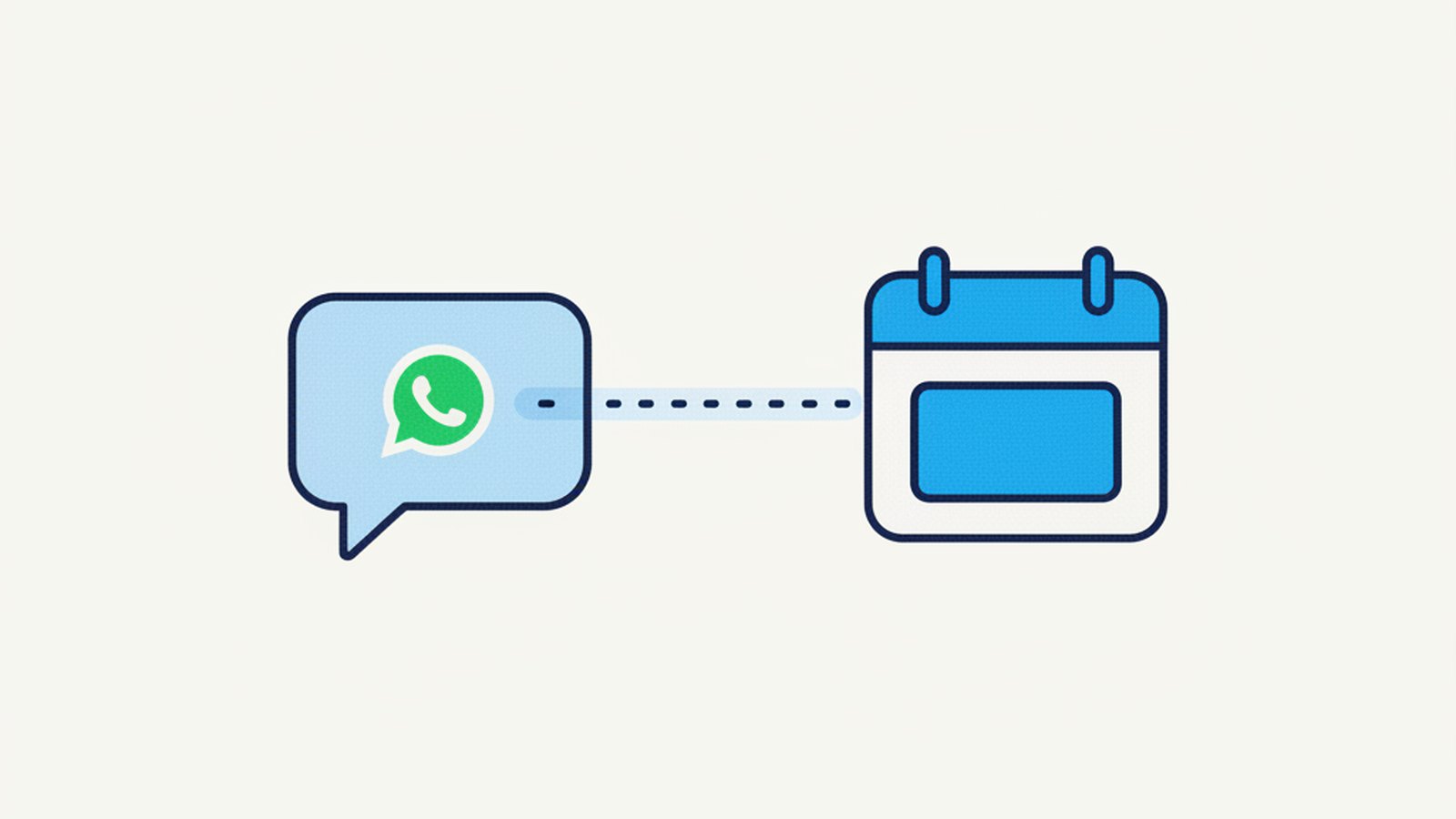
The question comes up quickly when aftersales teams start using WhatsApp. Is it creating bookings, or just adding another inbox to manage?
Dealer principals do not want a vague answer. They want to know what came in, what turned into work, and whether the channel is earning its place.
This is where reporting often gets messy. Messages sit in one place, bookings in another, and teams fall back on anecdotes instead of evidence.
Why this matters in aftersales
Aftersales is full of intent, but not every enquiry becomes a job. A customer asks about availability, checks a price, moves an appointment, or disappears and comes back later.
Count every conversation and the number looks inflated. Count only what an advisor remembers and it comes out too low.
What leaders need is a middle ground based on evidence. Not a hopeful estimate, and not a report so strict it ignores how customers actually book.
What message-to-booking attribution means
At its simplest, message-to-booking attribution asks one question. After a customer started or replied to a WhatsApp conversation, did a matching aftersales booking appear within an agreed period?
The key is matching the right signals. Usually that means linking the conversation to a customer record, vehicle, mobile number, or booking details already in your systems.
Once that link exists, you can look for a booking created after the conversation and decide whether it should be attributed to WhatsApp. That turns a busy message stream into something measurable.
This matters because WhatsApp rarely works in a neat single step. A customer may ask a question on Monday, think about it, then confirm on Wednesday after checking their diary.
If reporting only counts bookings made at the same moment as the message, you miss real influence. If it counts any booking that ever follows, the number stops being credible.
Why the attribution window matters
An attribution window is the period in which a booking can reasonably be linked back to a WhatsApp conversation. It gives you a rule instead of a hunch.
If a customer messages today and books within the agreed window, that booking can be counted as WhatsApp-driven. If the booking appears long after, it should not be included unless there is stronger evidence.
That one decision makes the report easier to defend. Everyone can see the same logic, and the number stops changing depending on who tells the story.
The right window depends on the kind of aftersales work and how your dealership books. Some customers book straight away, while others need a reminder, a call back, or time to choose a slot.
The aim is not to stretch the window until the number looks bigger. It is to set a period that reflects real customer behaviour and apply it consistently.
A defensible number is not the biggest number. It is the one you can explain clearly in a room full of people asking hard questions.
Consistency matters because trends only mean something if the method stays stable. If the window keeps changing, month-on-month comparisons lose value.
What makes the number defensible
A vague number often starts with loose language. Terms like influenced by or helped by may be fine internally, but they are hard to stand behind when budgets are being discussed.
A defensible number starts with an agreed rule set. What counts as a qualifying WhatsApp interaction, what counts as a booking, how duplicates are handled, and what the attribution window is.
It also needs clean matching logic. If one customer has two numbers, a family shares a vehicle, or the same booking is moved several times, the reporting has to know how to treat that.
You do not need perfection before you report anything. But the method should be simple enough to understand and strict enough to avoid obvious overclaiming.
It should also separate bookings from conversations that were only service updates. A message saying the vehicle is ready for collection is useful, but it is not the same as new demand.
How to think about edge cases
Real life is untidy, so attribution needs sensible treatment of edge cases. A customer might message on WhatsApp, then ring the dealership to confirm, or click a campaign link and book online later that day.
The goal is not to pretend one channel did all the work. It is to use a reporting rule that reflects the journey your business wants to measure.
Some groups credit the last meaningful interaction before the booking. Others report WhatsApp-assisted bookings separately from direct WhatsApp-booked appointments.
Either approach can work if it is defined properly. Problems start when different teams use different definitions and compare the results as if they mean the same thing.
Rebookings and moved appointments need a rule too. If a booking was first created after a WhatsApp exchange and then rescheduled, most teams will want to count that as one attributed booking, not several.
The same goes for inbound replies to campaigns. If a service reminder on WhatsApp prompts a booking, that should be visible in reporting, but it should be clear whether you are looking at campaign response, adviser-led conversation, or both.
What good reporting should show
A useful report should do more than produce a headline total. It should let managers trace the path from conversation to booking and understand why each counted outcome is there.
That usually means being able to view the original message, the timing, the customer match, and the booking record. When the chain is visible, the number becomes easier to trust.
It should also show what is driving results. Are bookings coming from inbound service enquiries, reminder campaigns, AI-handled chats, or advisers picking up out-of-hours messages the next morning?
Those details matter because they change how you improve performance. If most attributed bookings come from simple availability questions, response speed and booking prompts matter.
If they come from reminders, then timing, audience selection, and message wording matter more. Reporting should help you act, not just admire a dashboard.
This is where Fuzey can earn its place. When WhatsApp conversations, AI handling, automations and booking outcomes can be viewed together, attribution becomes easier to explain across the group.
Turning attribution into a number you can stand behind
The best reporting answers the original question without drama. Did WhatsApp produce bookings, over what window are you counting them, and why is that number fair?
If you can answer those points clearly, you are ahead of most dealerships. You move the conversation away from opinion and towards a method people can test and repeat.
No attribution model is perfect, especially when customers move between channels. But a clear window, consistent rules and visible evidence give you something far more useful than a rough estimate.
That is usually what dealer principals are really asking for. Not magic, just a number they can look at and believe.
Fuzey helps dealerships get closer to that answer by connecting the conversation to the booking story, rather than leaving teams to piece it together by hand.
See what this looks like for your group
Fuzey runs WhatsApp for dealer groups across the UK, Ireland and the Gulf, with every reply landing in front of the right person.
Keep reading
Five numbers every dealer principal should see weekly
Five weekly numbers that give dealer principals a quick, practical view of response, bookings, sales pipeline and aftersales demand.
Read article
Reading the room at scale
In-depth customer sentiment reviews show dealerships what keeps coming up, what customers love and what they complain about, straight from everyday conversations.
Read article
Keyloop DMS and WhatsApp: how dealership messaging actually connects
What a Keyloop DMS to WhatsApp connection really does: which records are read, what gets written back, and how a chat attaches to the right customer and vehicle.
Read article