
Sending the right message to the right customer
Relevant aftersales messages feel helpful, not spam. Here’s how better targeting by model, mileage and service history improves response.
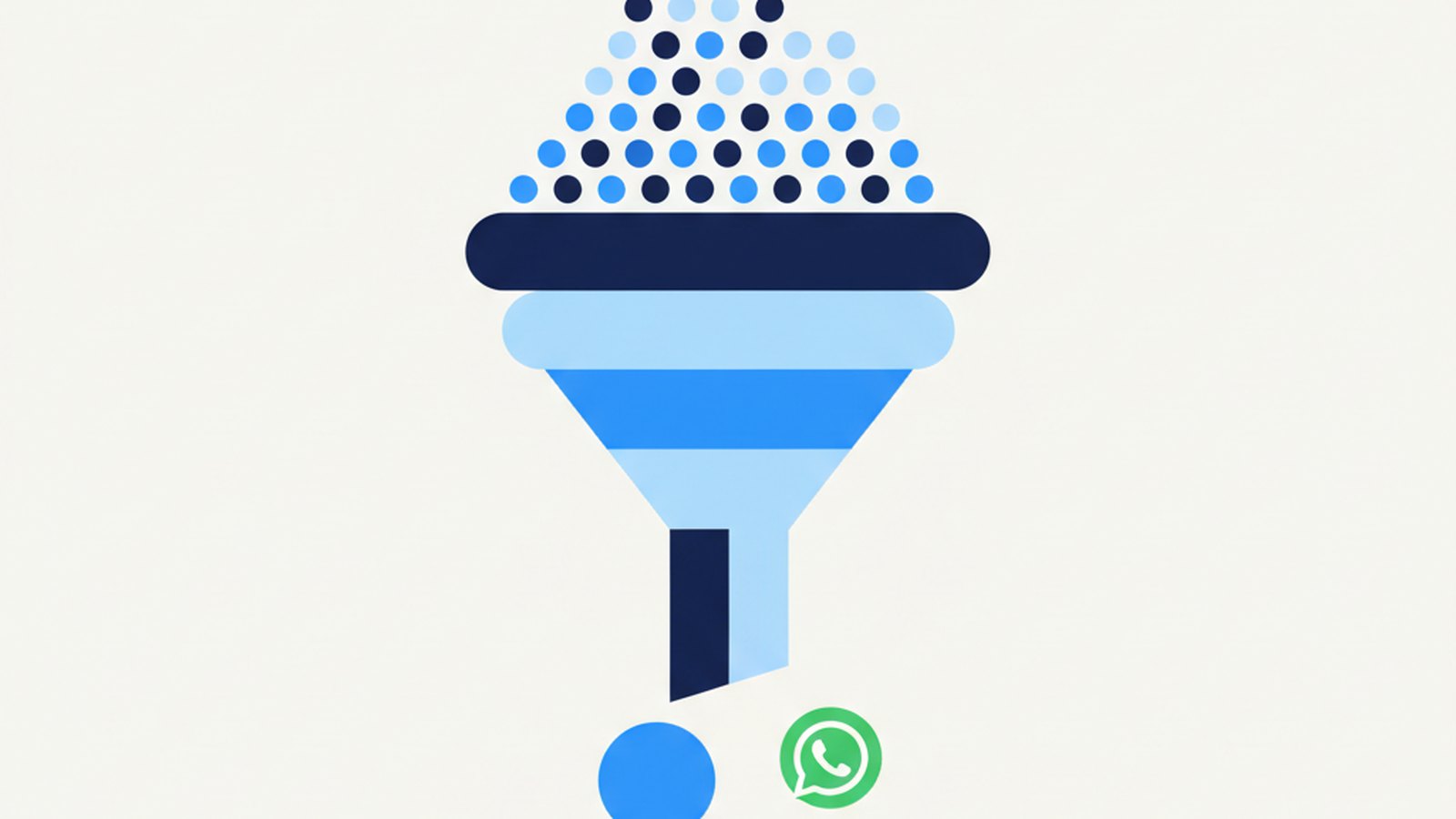
Most aftersales messages do not fail because the wording is wrong. They fail because they reach people who were never likely to care.
Customers know when a message is generic. If it does not fit the car they drive, the point they are at, or the work they may need, it feels like spam.
Relevance changes that. When the right customer gets the right nudge at the right moment, the message feels useful and worth acting on.
Why relevance matters more than reach
It is tempting to send one campaign to everyone and hope interest does the rest. In aftersales, that usually leads to weak response, wasted effort and a careless customer experience.
A driver with a nearly new car does not need the same message as someone due a major service. Someone who visited last month should not get the same prompt as someone who has been quiet for much longer.
Good targeting fixes that. It narrows the audience so the message matches a real reason to book, ask a question or come back in.
What useful filtering looks like in practice
The best campaigns start with simple filters that reflect how dealerships already think about aftersales demand. Brand, model, mileage, service history and last visit are strong starting points because they point to likely need.
Brand and model help you shape messages around vehicles with similar service patterns, ownership journeys or seasonal needs. The owner of a family SUV may respond to something very different from the owner of a city car or performance model.
Mileage gets you closer to likely timing. If a vehicle is approaching a service interval, the message feels sensible rather than random.
Service history adds another useful layer. You can speak differently to customers who always service with you, those who missed their last booking, and those who only came in for specific jobs such as tyres or MOT-related work.
Last visit is one of the most practical filters. It helps you avoid messaging too soon, while also spotting people who may be due a reminder or a reactivation prompt.
Worked examples of well-targeted audiences
Take a service reminder for drivers who are likely to be due soon. Instead of sending it to the full database, build an audience of customers with a specific brand, vehicles in a suitable mileage band, and no recorded service in the recent period.
That audience is already stronger because the message has context. You are not just asking for a booking. You are reminding a customer about something that fits their likely ownership stage.
Another example is a reactivation campaign for lapsed aftersales customers. You might filter for owners of older vehicles, with a last workshop visit beyond your usual return window, and no future booking on record.
That gives you a very different audience from active service customers. The message can focus on getting them back through the door, rather than speaking as if they are already engaged.
You can also build a more precise MOT or seasonal check audience. For example, select customers whose previous visit was around the same period last year, whose mileage suggests regular use, and whose history shows they tend to book only when prompted.
That is a better use of outbound messaging because it reflects actual behaviour. It also helps the customer feel remembered rather than caught in a vague mass send.
The best aftersales campaigns do not reach everyone. They reach the people with the clearest reason to act.
A final example is model-specific messaging. If one model range is often seen for a certain type of maintenance at a predictable point in its life, you can build an audience around that model, mileage range and last recorded workshop work.
The value is not only stronger relevance. It also helps your team plan for likely demand, because the campaign is tied to a more realistic need.
How better targeting improves the customer experience
Customers do not separate marketing from service as neatly as dealerships sometimes do. Every message from your business shapes whether you seem organised, attentive and worth returning to.
Poor targeting chips away at trust. A message about work they have just completed, a vehicle they no longer own, or an offer that clearly does not fit makes the whole interaction feel automated in the worst way.
Good targeting does the opposite. It shows you understand the basics of their relationship with the dealership and are getting in touch for a reason, not just because they sit in a database.
That matters just as much as response. Even when a customer does not book straight away, a relevant message is more likely to leave the door open for the next one.
Turning filters into a repeatable aftersales habit
The real win is not one strong campaign. It is creating a repeatable way of selecting audiences so every aftersales message starts from relevance rather than reach.
That usually means agreeing a few dependable audience types and refining them over time. Due soon, recently lapsed, long lapsed, model-specific needs and post-visit follow-ups are all good examples because they reflect familiar aftersales journeys.
Once that thinking is in place, automation becomes far more useful. Instead of broadcasting one generic reminder, you can trigger messages for the audiences most likely to need them and let the team focus on the replies that matter.
This is where a shared communication platform earns its place. With Fuzey, dealerships can use customer filters and automations to send more relevant WhatsApp messages, keep conversations in one place and turn replies into bookings with less back and forth.
None of this is about sending more campaigns. It is about sending fewer, better ones that respect the customer’s time and reflect what their vehicle may need.
When aftersales teams work that way, messages stop feeling like noise. Fuzey supports that shift by helping dealerships organise data, target with more care and keep the conversation going when a customer is ready to act.
See what this looks like for your group
Fuzey runs WhatsApp for dealer groups across the UK, Ireland and the Gulf, with every reply landing in front of the right person.
Keep reading
Recovering the customer you have not seen in two years
How to bring back aftersales customers you have not seen in two years with quiet, automated outreach that feels timely and personal.
Read article
Following up the vehicle health check
Deferred red and amber VHC work is easy to lose. Timed follow-up helps aftersales teams turn it into bookings without extra chasing.
Read article
Cutting no-shows with booking reminders
How to cut workshop no-shows with better reminder timing, clearer wording and an easy way for customers to rebook.
Read article