
Recovering the customer you have not seen in two years
How to bring back aftersales customers you have not seen in two years with quiet, automated outreach that feels timely and personal.
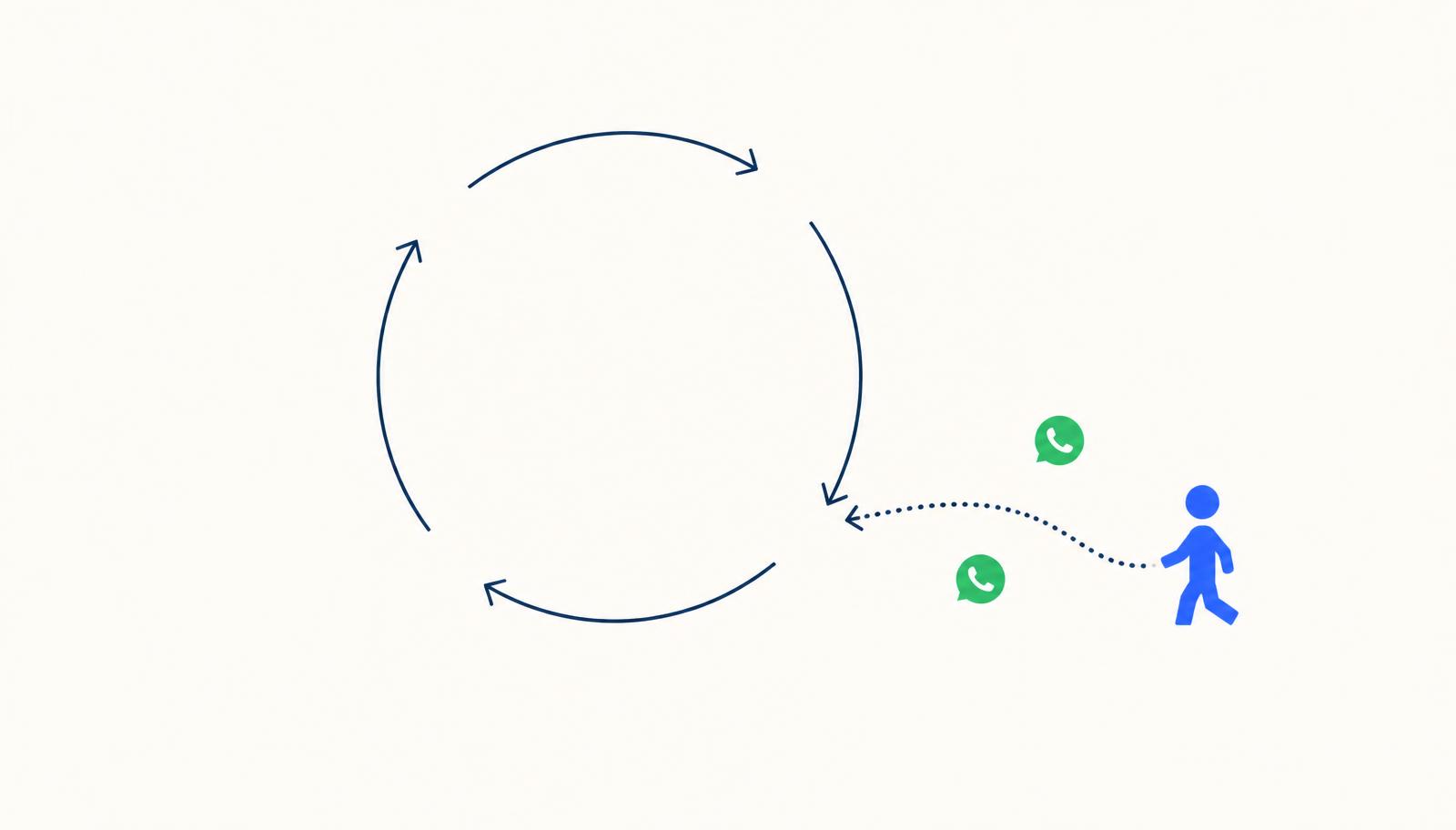
Most dealers have a large group of customers who did not leave in a dramatic way. They just drifted. A service was missed, an MOT happened elsewhere, a tyre warning was sorted by whoever was nearby, and the relationship went cold.
That makes lapsed aftersales customers easy to ignore. The workshop is busy, the phones are ringing, and chasing people you have not heard from in two years can feel like work with no obvious payoff.
But this is often the cheapest retention work available. You already know the vehicle, you have a history, and the customer trusted you once before they went quiet.
Start with the right list, not the biggest one
Reactivation works best when the audience is sensible. If you send the same message to everyone who has not visited for a long time, you end up contacting people who sold the car, moved away, or are no longer right for your workshop.
A better starting point is customers you have not seen in around two years, where the vehicle is still likely to be on the road and the data is still usable. Filter out obvious dead ends such as disposed vehicles, opt-outs, or records with no practical contact details.
Then give the list some shape. Group by last job type, vehicle age, franchise, and anything else in your DMS that helps the message feel relevant rather than generic.
Someone who last came in for routine servicing may need a different nudge from someone who bought tyres, had an MOT failure, or approved work that was never completed. The closer the message is to a real need, the more likely it is to get a reply.
Automate off the last service date
The most reliable trigger you already have is the last service date. If a customer has not been in for a set number of months, that is the moment to reach out, not whenever somebody remembers to pull a list.
Set the window to suit your workshop. Many dealers start at twelve or fourteen months for routine servicing, with a longer window for lapsed customers at eighteen or twenty-four months. The message goes out automatically the day a customer crosses that line.
- Trigger. A customer passes X months since their last visit and the vehicle is still likely on the road.
- First message. A short, friendly note mentioning the vehicle and offering an easy next step.
- Gentle nudge. If there is no reply after a week or two, one light follow-up, then stop.
- Stop rule. Any reply, booking or opt-out ends the sequence immediately.
The nudges matter as much as the first message. Plenty of customers mean to reply and get distracted. One gentle follow-up recovers a good share of them without tipping into pestering.
Know who is loyal and who has slipped
Reactivation works far better when you can see the difference between a frequent visitor and someone who has quietly drifted. They need very different messages, and sending the wrong one wastes both.
Frequent visitors mostly need timely reminders and a fast way to book. Customers who have slipped need a reason to come back and a bit of acknowledgement that it has been a while.
Keeping that view current means you always know who to retarget this month, rather than rediscovering the problem once a year when somebody exports the DMS into a spreadsheet.
Say the simple thing they were waiting to hear
When somebody has drifted, your first message should not sound like a campaign. It should sound like a helpful prompt from a business that remembers them and can make the next step easy.
Keep the tone light and practical. Mention the vehicle if you can, acknowledge it has been a while, and give them one clear reason to reply now.
A message like, “Hi James, it’s been a while since we looked after your Golf. If it’s due a service, MOT or just a seasonal check, we can help. Reply here and we’ll sort a time that suits you,” is often enough.
You are not trying to win an argument. You are reducing friction for someone who may have meant to book, forgot, or assumed it would be a hassle to start again.
Avoid heavy discounts as the main hook unless there is a clear reason for them. If lapsed customers only hear from you when there is money off, you train them to wait for a deal instead of coming back because you are convenient and easy to deal with.
Channel matters too. A quiet WhatsApp or text conversation can feel far more natural than a long email, especially when the customer can reply in one line and get a booking sorted without sitting on hold.
Most reactivation fails because the message asks for too much effort. The best ones feel like a gentle reminder with an easy next step.
Let it run quietly in the background
The strongest reactivation programmes do not depend on somebody remembering to run them. They sit in the background, watch for customers reaching that lapsed point, and trigger the right message at the right time.
That matters because aftersales teams are busy with today’s bookings. If reactivation relies on a manual list, a spreadsheet and spare time that rarely appears, it will start with good intentions and then fade away.
Automation fixes the consistency problem. The customer reaches the trigger point, the message goes out, replies are handled quickly, and the booking path stays short.
Pacing matters as well. One message can open the conversation, a second can follow up if there is no reply, and then you stop rather than pestering people into a block or opt-out.
You can also build common sense into the workflow. If a customer books by another route, the outreach stops. If they reply with a question, it goes into one place where the team can pick it up or an AI agent can handle the basics and move them towards an appointment.
This is where Fuzey earns its place. Instead of reactivation living across missed calls, scattered inboxes and individual phones, it can sit on one shared WhatsApp number with automations, reporting and booking conversations the whole team can see.
Keep the touches light. A one-line message, a tap to reply, no forms and no hold music. The easier you make it to re-engage, the more people will.
And the moment they do reply, your team can answer instantly, in the same thread, with the vehicle history already in front of them. That is usually the point where a lapsed customer becomes a booking again.
Why this work is such good value
Finding a new customer usually takes more time, effort and budget than re-engaging one who already knows you. With lapsed aftersales customers, you are not starting from zero. You have context, a reason to contact them, and often a live vehicle need in the background.
That is why this work deserves a place even when the diary looks healthy. A full workshop this week says very little about what happens when reminders slip, loyalty weakens and known customers slowly form new habits elsewhere.
Reactivation also sharpens the rest of your retention thinking. It exposes gaps in reminder timing, shows where data quality needs work, and gives you a clearer picture of how many customers are not really lost, just unattended.
You do not need a grand relaunch to start. Pick a sensible lapsed window, write messages that sound human, and let the process run quietly enough that customers feel remembered rather than targeted.
Over time, that background work can become one of the most dependable parts of aftersales retention. And with Fuzey helping manage conversations and follow-up in one place, bringing back the customer you have not seen in two years becomes much easier to keep doing well.
See what this looks like for your group
Fuzey runs WhatsApp for dealer groups across the UK, Ireland and the Gulf, with every reply landing in front of the right person.
Keep reading
Following up the vehicle health check
Deferred red and amber VHC work is easy to lose. Timed follow-up helps aftersales teams turn it into bookings without extra chasing.
Read article
Sending the right message to the right customer
Relevant aftersales messages feel helpful, not spam. Here’s how better targeting by model, mileage and service history improves response.
Read article
Cutting no-shows with booking reminders
How to cut workshop no-shows with better reminder timing, clearer wording and an easy way for customers to rebook.
Read article