
MOT and service reminders that fill the workshop
MOT and service reminders work best when they arrive at the right time, say the right thing and let customers book by replying.
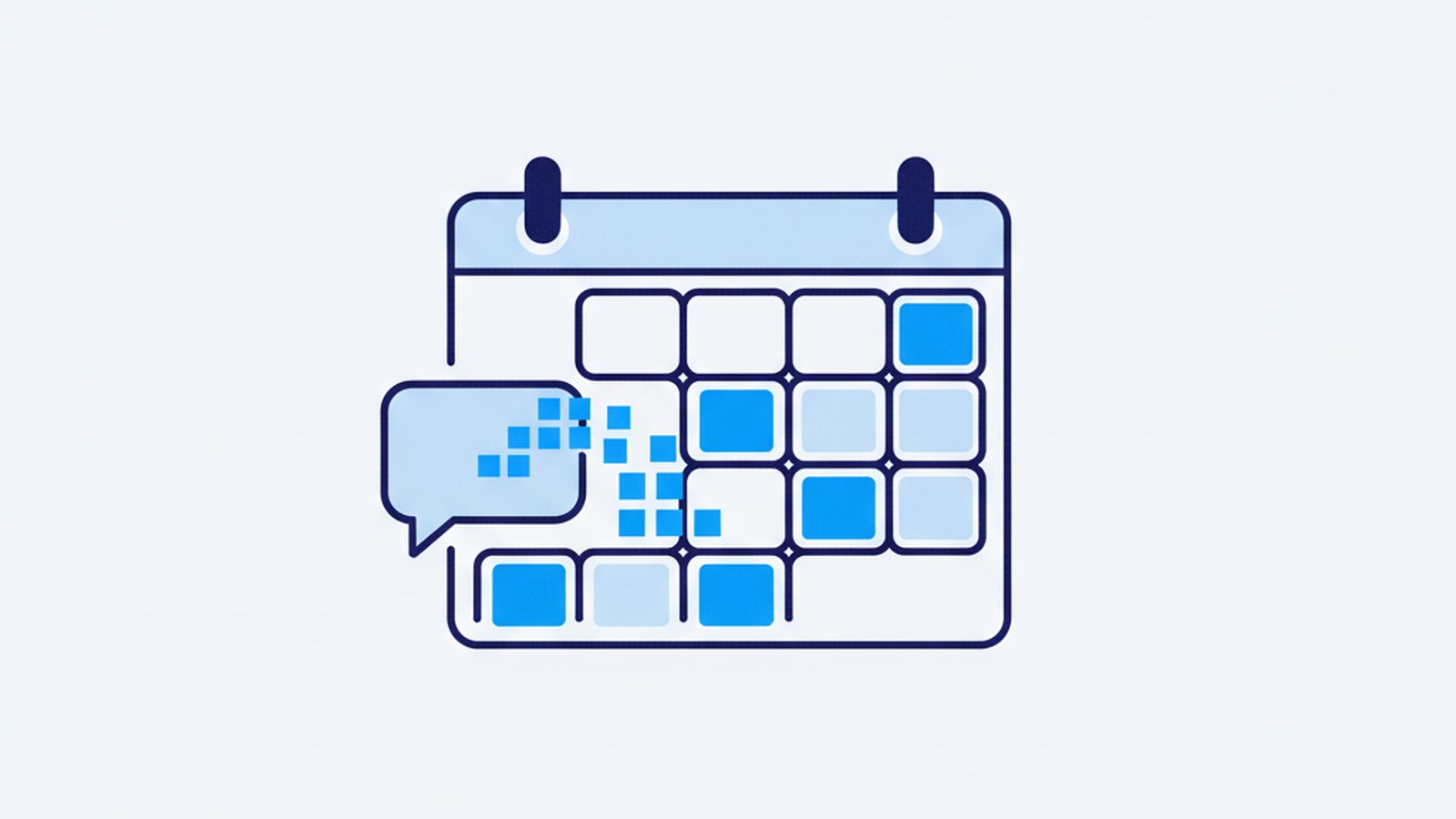
An empty workshop diary hurts twice. It costs revenue today, and it puts future retention at risk when customers drift elsewhere.
Most dealers already know who is due an MOT or service. The real problem is getting a reminder seen and making it easy enough to act on before the customer puts it off again.
Letters get binned. Calls go unanswered. The reminder that works is the one that lands where the customer already is and lets them sort it in the moment.
The diary is the aftersales business
Aftersales runs on planned work. When the diary is healthy, the workshop can forecast load, parts can prepare and the team spends less time scrambling to fill gaps.
That is why reminders matter. They are not just admin. They help protect utilisation, keep customers coming back and make the day run better for everyone.
Too often, the process still depends on letters or phone chasing. Both can work now and then, but neither matches how most customers prefer to communicate.
People live in messaging. They read it quickly, reply when they have a spare minute and expect the conversation to carry on without starting again.
Timing matters more than volume
A good reminder is not about sending more messages. It is about sending the right message at the right point, with enough notice to book but not so much that it gets forgotten.
For MOTs, an early reminder gives customers time to choose a date and helps the dealership spread demand across the diary. Leave it too late and the customer feels rushed, shops around or books wherever can fit them in.
Services need a similar approach. Some customers think in dates, others in mileage, so the cadence should reflect the data you have and allow for a follow-up if there is no response.
- Send an initial reminder early enough for the customer to plan ahead.
- Follow up nearer the due date if there has been no reply.
- Use a final prompt when the booking window is becoming urgent.
- Stop once the customer has booked or opted out.
This is where automation helps. Instead of relying on someone to remember who needs contacting and when, the flow can run consistently in the background and reach customers at sensible points.
It also keeps the tone steady. Customers get a polite nudge, then another if needed, rather than random outreach based on who had time that day.
What the message should actually say
A reminder works best when it is clear, short and easy to trust. The customer should know who it is from, why they are receiving it and what to do next without reading a long block of text.
For an MOT, say the vehicle is due and invite them to book. For a service, mention the due date or mileage if useful, and keep the wording simple enough to scan in seconds.
The message should remove the little bits of friction that stop action. Include the dealership name, the vehicle reference where suitable, and a clear route to book by replying.
That last part matters. If the reminder ends with "please call us", many customers will mean to ring later and never get round to it.
If it ends with "reply to book", the next step feels easy. They can answer on the sofa, on a lunch break or between meetings, and the booking conversation starts there and then.
The best reminder does not just prompt action. It turns intent into a conversation while the customer is still thinking about it.
Tone matters too. MOT and service reminders should feel helpful, not pushy, and sound like a real dealership speaking to an existing customer rather than a generic blast.
Plain language wins. One message, one purpose, one clear reply path.
Let customers book by replying
This is the part many dealers still miss. The reminder itself is only half the job. The real value comes when the customer can respond in the same channel and move straight into booking.
When a customer replies with something as simple as "next week?" or "need an MOT before the 20th", the conversation has begun. There is no need to stop what they are doing, search for the number and sit in a call queue.
That change sounds small, but it alters the whole experience. Messaging fits around the customer's day and gives the dealership a better chance of converting intent before it fades.
It helps the team too. Instead of a burst of missed calls and voicemail ping-pong, service advisors can handle conversations in one shared place and move them towards a confirmed booking.
With Fuzey, dealer groups can run those reminders through one shared WhatsApp business number, so customers reply in a channel they already use and the team can manage the conversation properly.
If AI is used, it should support the process rather than make it feel robotic. Simple questions can be answered quickly, booking intent can be captured fast and the handover to the team can happen when needed.
Build a reminder process the team can trust
The strongest reminder strategy is the one the dealership can run consistently. That means clean data, sensible timing rules, clear message templates and a process for handling replies without delay.
It also means measuring what happens next. Not just sends, but replies, bookings created, workshop load supported and where follow-up is getting stuck.
Once that visibility is in place, small improvements become obvious. A message may need tightening, a reminder may be going out too early, or replies may need routing more clearly so they do not sit waiting.
Good automation should make the process easier to manage, not harder to understand. The aim is a reminder programme that feels predictable for the business and convenient for the customer.
That is why aftersales teams are moving away from letters and call-first workflows. The modern reminder lands in a familiar messaging channel, says exactly what the customer needs to know and lets them book by replying.
When that happens consistently, the workshop diary gets the support it needs. And with Fuzey connecting automations, conversations and reporting in one place, reminders start doing the job they were always meant to do.
See what this looks like for your group
Fuzey runs WhatsApp for dealer groups across the UK, Ireland and the Gulf, with every reply landing in front of the right person.
Keep reading
Recovering the customer you have not seen in two years
How to bring back aftersales customers you have not seen in two years with quiet, automated outreach that feels timely and personal.
Read article
Following up the vehicle health check
Deferred red and amber VHC work is easy to lose. Timed follow-up helps aftersales teams turn it into bookings without extra chasing.
Read article
Sending the right message to the right customer
Relevant aftersales messages feel helpful, not spam. Here’s how better targeting by model, mileage and service history improves response.
Read article