
The green tick explained
What WhatsApp’s green tick tells car buyers, why it helps replies, and what dealerships need to qualify for it.
You send a WhatsApp message to a customer and hope they trust it enough to open, read and reply. But buyers are used to spam, copied logos and messages that look almost right. If they are not sure who is contacting them, they hesitate.
That split second matters in sales. A message that feels doubtful can be ignored, even when the offer, update or follow-up is useful. Trust needs to be clear before the conversation moves anywhere.
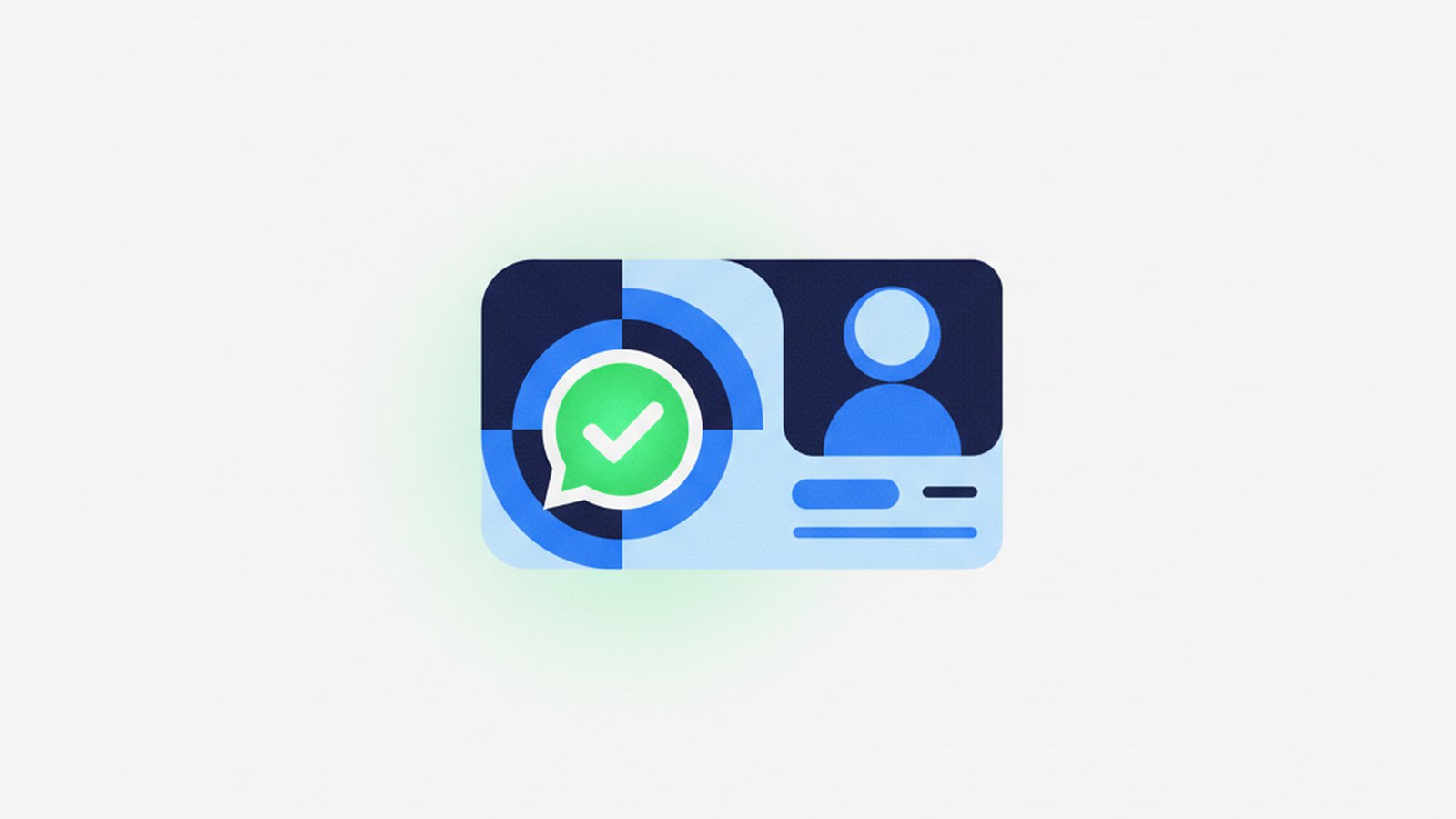
That is why the green tick gets attention. It is a small badge, but it answers a big question fast: is this really the dealership?
What the green tick tells a customer
Meta’s official business account badge shows that WhatsApp has recognised the business account as authentic and notable. For a customer opening a message, it signals that the sender is the real business, not an impersonator or an unverified number using the same brand name.
It also makes the experience feel more settled. The dealership name is shown clearly, which removes friction when a customer would otherwise see an unknown mobile number. That can make it easier to reply instead of second-guessing the message.
What it is not matters too. The green tick is not a mark of good service, a promise of instant replies, or proof that one business is better than another. It is a trust signal about identity first.
The green tick does not sell the car. It helps the customer trust the conversation enough to start.
That matters for dealer groups because WhatsApp often sits close to key moments in the journey. Test drive follow-ups, finance questions, part-exchange checks and handover updates all work better when the customer feels confident they are speaking to the right team.
Why it can lift replies and how a dealership qualifies
Reply rates improve when doubt drops. If a customer recognises the business name and sees official status, there is less effort involved in deciding whether to engage. The message feels safer, more credible and easier to answer.
The badge does not do all the work. Timing, message quality and relevance still matter. A trusted sender with poor follow-up will still lose attention.
To qualify, a dealership first needs to be using the WhatsApp Business Platform and complete Meta’s business verification process. After that, Meta looks at whether the brand is notable, which usually means it is known and can be found in credible public sources such as press coverage or an established online presence.
Not every verified business gets the badge. Meta decides who receives official business account status, and it is not something a dealership can force through with one extra form. A clear brand identity, active business presence and the right WhatsApp setup all help.
For dealer groups, this is where the setup matters. If teams are messaging from scattered numbers with mixed naming, it is harder to build recognition and trust. Fuzey gives dealerships one shared WhatsApp business presence, which creates a stronger base for verification and a clearer customer experience.
The green tick is not the whole strategy, but it is useful at the exact moment a buyer decides whether to reply. If you are already treating WhatsApp as a serious sales channel, Fuzey can help make that presence look and feel more official from the first message.
See how Fuzey works for dealerships
One shared number, AI that answers, and every conversation in one place across sales and aftersales.
Keep reading
Click to chat everywhere
Make it easy for buyers and service customers to start a WhatsApp chat from your website, adverts, stickers and invoices.
Read article
Missed call, lost sale
A missed call does not have to mean a lost sale if you turn it into a WhatsApp chat your team can pick up quickly.
Read article
The post-campaign report
What a dealer group should expect after a campaign, from delivery and replies to bookings, revenue and the actions that come next.
Read article